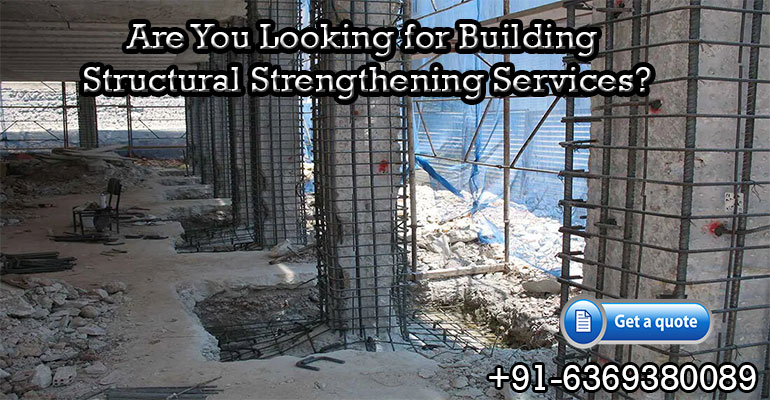
In an ever-evolving world, buildings play a vital role in shaping the landscape of cities and communities. However, as time passes, structural deterioration and changes in building codes necessitate the need for building structural strengthening services. These services aim to enhance the stability and resilience of existing structures, ensuring their longevity, safety, and adaptability. In this essay, we will explore the importance of building structural strengthening services, the techniques employed, and their positive impact on society.
Building structural strengthening services address the safety concerns associated with aging and deteriorating structures. By strengthening the existing building framework, the risk of collapses, structural failures, and potential hazards is significantly reduced. Moreover, this proactive approach also ensures the preservation of historical or culturally significant buildings.
Changes in building codes, regulations, and occupancy demands often render older structures inadequate to meet contemporary standards. Structural strengthening services allow buildings to adapt to new requirements, such as increased loads, improved seismic performance, enhanced fire resistance, and energy efficiency. By embracing these modifications, buildings can better serve their intended purpose for years to come.
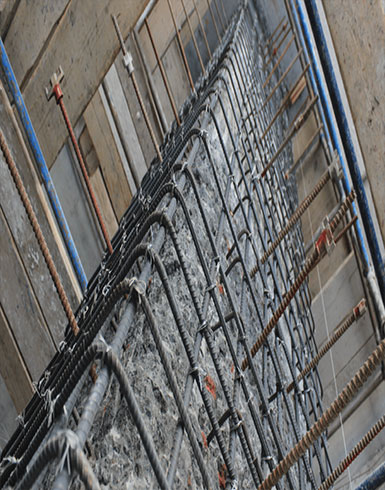
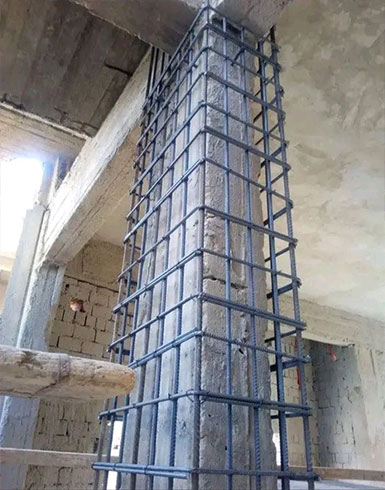
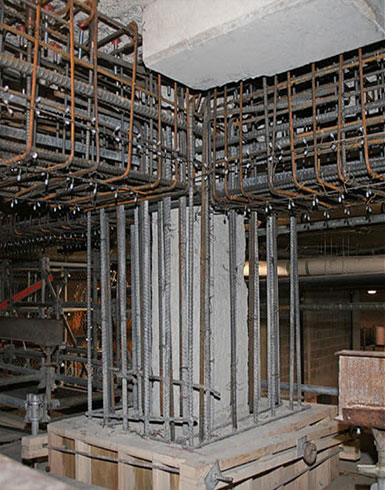
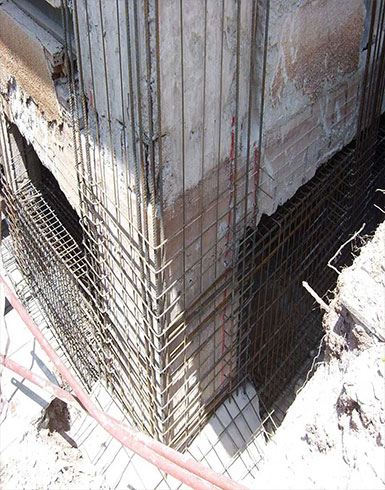
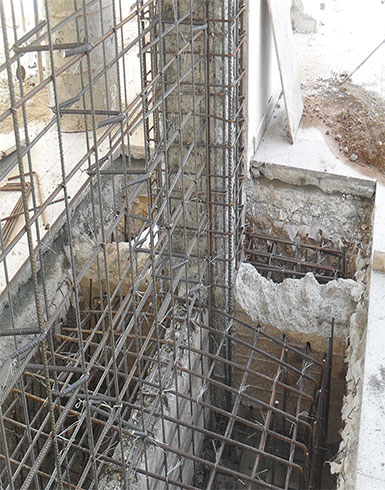
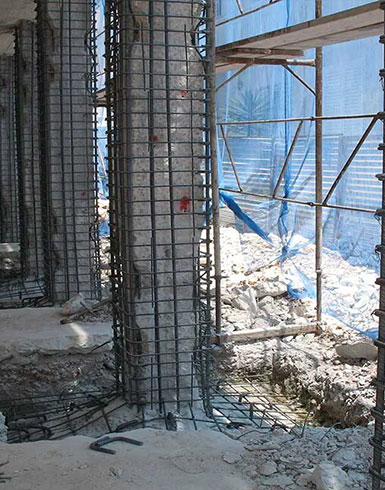
Reinforced concrete is a common material used in structural strengthening. Additional reinforcement, such as steel bars or fiber-reinforced polymers, can be introduced to increase the load-bearing capacity and enhance the overall structural performance. This technique effectively strengthens the existing elements without compromising the aesthetics or function of the building.
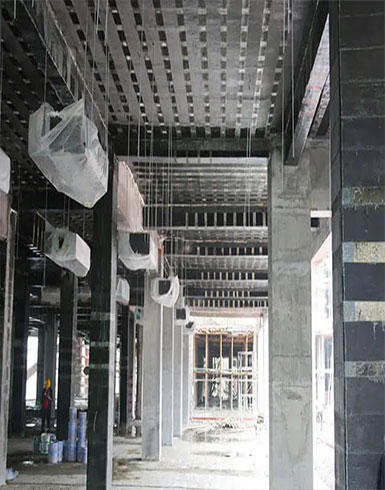
CFRP wrapping is a lightweight and flexible technique used to reinforce structural elements. It involves applying layers of carbon fiber sheets bonded with epoxy resins to existing columns, beams, or walls. This method significantly improves the strength, stiffness, and ductility of the structure, while also providing resistance against seismic forces.
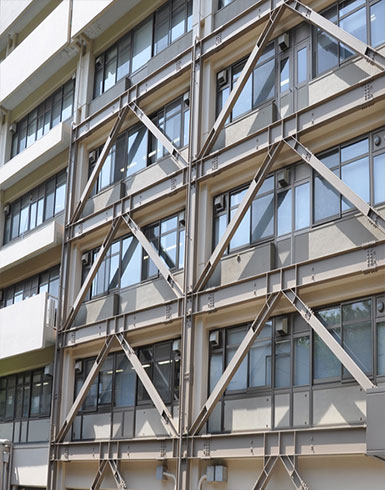
Steel bracing is a commonly employed technique that involves the installation of additional steel elements to reinforce existing structures. By strategically placing steel braces or trusses, the load-carrying capacity and lateral stability of the building can be increased. Steel bracing is particularly effective in improving resistance against wind and seismic loads.
Building structural strengthening services promote sustainability by extending the lifespan of existing structures. By preserving and enhancing the functionality of buildings, valuable resources are conserved, reducing the need for new construction and minimizing environmental impact. Additionally, this approach fosters a culture of adaptive reuse and historical preservation.
Strengthening existing structures can be more cost-effective than demolishing and constructing new buildings. Building owners and communities can save substantial costs by avoiding complete reconstruction while still achieving improved structural performance. Moreover, stronger buildings attract investment, promote economic growth, and contribute to the overall well-being of communities.
Structural strengthening ensures that buildings are better prepared to withstand natural disasters and unforeseen events. By integrating advanced strengthening techniques, such as seismic upgrades and increased resistance to extreme weather conditions, the built environment becomes more resilient. This, in turn, protects lives, reduces property damage, and facilitates quicker post-disaster recovery.
Building structural strengthening services are indispensable in maintaining the safety, functionality, and longevity of existing structures. By employing various techniques, such as reinforced concrete, CFRP wrapping, and steel bracing, these services enhance the structural performance while allowing buildings to adapt to modern requirements. Beyond the technical aspects, structural strengthening positively impacts society by promoting sustainability, offering economic benefits, and fostering resilience in the face of adversities. As we continue to strive for sustainable and resilient cities, investing in building structural strengthening services becomes imperative for a brighter future.